Kotor: a guide to timeless beauty in the heart of the fjord
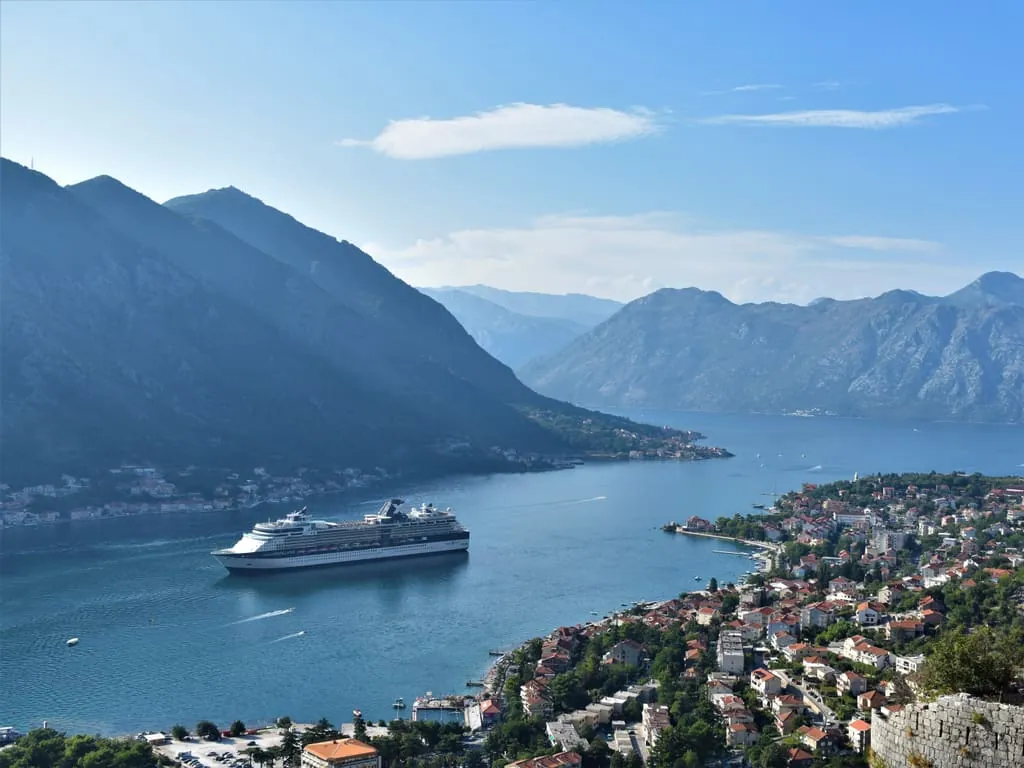
Set at the very end of the bay, at the foot of the steep rocks of the Lovćen massif, Kotor is one of the best-preserved medieval towns in the Mediterranean. Thanks to its unique architectural ensemble, rich history and natural setting, the Old Town of Kotor and the whole bay are protected by UNESCO.
What to see and do in Kotor
Kotor Old Town
Entering through the 16th-century Sea Gate takes you into a maze of narrow stone lanes, squares with unusual names (Arms Square, Flour Square, Milk Square) and magnificent noble palaces (the Pima, Bešuća, Drago and Bizanti palaces). The town is ruled by a blend of Venetian architecture, traditional Mediterranean style and the special patina of centuries.
The Cathedral of Saint Tryphon
One of the most important and oldest monuments of Romanesque architecture on the Adriatic, built in 1166 (decades before Notre-Dame in Paris). It holds the relics of the town’s patron, Saint Tryphon, as well as a valuable treasury of artistic and golden objects.
The city walls and San Giovanni (St John) Fortress
The defensive ramparts around the town are as much as 4.5 kilometres long and climb high up the sheer rock to San Giovanni Fortress at 280 metres above sea level. The climb of about 1,350 stone steps takes a little effort, but rewards you with an unforgettable view: the framed Kotor rooftops and the turquoise water of the bay make a sight you will remember for life. Halfway up you will also find the 15th-century Church of Our Lady of Remedy.
The Maritime Museum of Montenegro
Housed in the lavish Baroque Grgurina Palace, this museum documents in detail the golden age of Boka seafaring. You can see models of sailing ships, the weapons of old seamen, ship logs, costumes and authentic objects from the lives of captains.
Cat culture and Kotor’s squares
Cats are the unofficial symbol of Kotor, guardians of the town throughout history, and they still enjoy the special affection of locals and tourists alike. There is even a small Cat Museum in town, and a relaxed coffee on a terrace with the sounds of local klapa singers make the atmosphere on the squares unforgettable.
Practical tips for a visit from Tivat
- Distance and driving: Kotor is only 11 km from Tivat. By car or taxi through the Vrmac tunnel it takes just 15–20 minutes. The alternative route around the peninsula (via Prčanj) is much slower because of the narrow road, but very scenic for a panoramic drive.
- Public transport: local buses run frequently between Tivat and Kotor, a very practical option in summer.
- Parking: there are large open car parks in front of the Old Town walls (by the waterfront and next to the Škurda river). In July and August parking can be very busy around noon, so it is best to arrive early in the morning (before 09:00) or later in the afternoon (after 17:00).
- Tip for climbing the walls: if you plan to climb to San Giovanni Fortress, set off early in the morning to avoid the heat. Bring comfortable shoes and plenty of water.
A one-day trip: “Kotor and the Bay of Kotor”
- 09:00: arrive in Kotor before the big heat and climb to San Giovanni Fortress for perfect photos.
- 11:30: come down to the Old Town, have breakfast and an espresso on Arms Square, take a gentle walk past the palaces and visit the Cathedral of Saint Tryphon.
- 14:00: a traditional Boka lunch in one of the old konobas (black cuttlefish risotto or mussels buzara).
- 16:00: a short drive from Kotor to the Baroque town of Perast (15 minutes), and from there a short boat ride to the artificial island of Our Lady of the Rocks.
- 19:00: back to Tivat at sunset.